
Sub Saharan Africa
EAST AFRICA
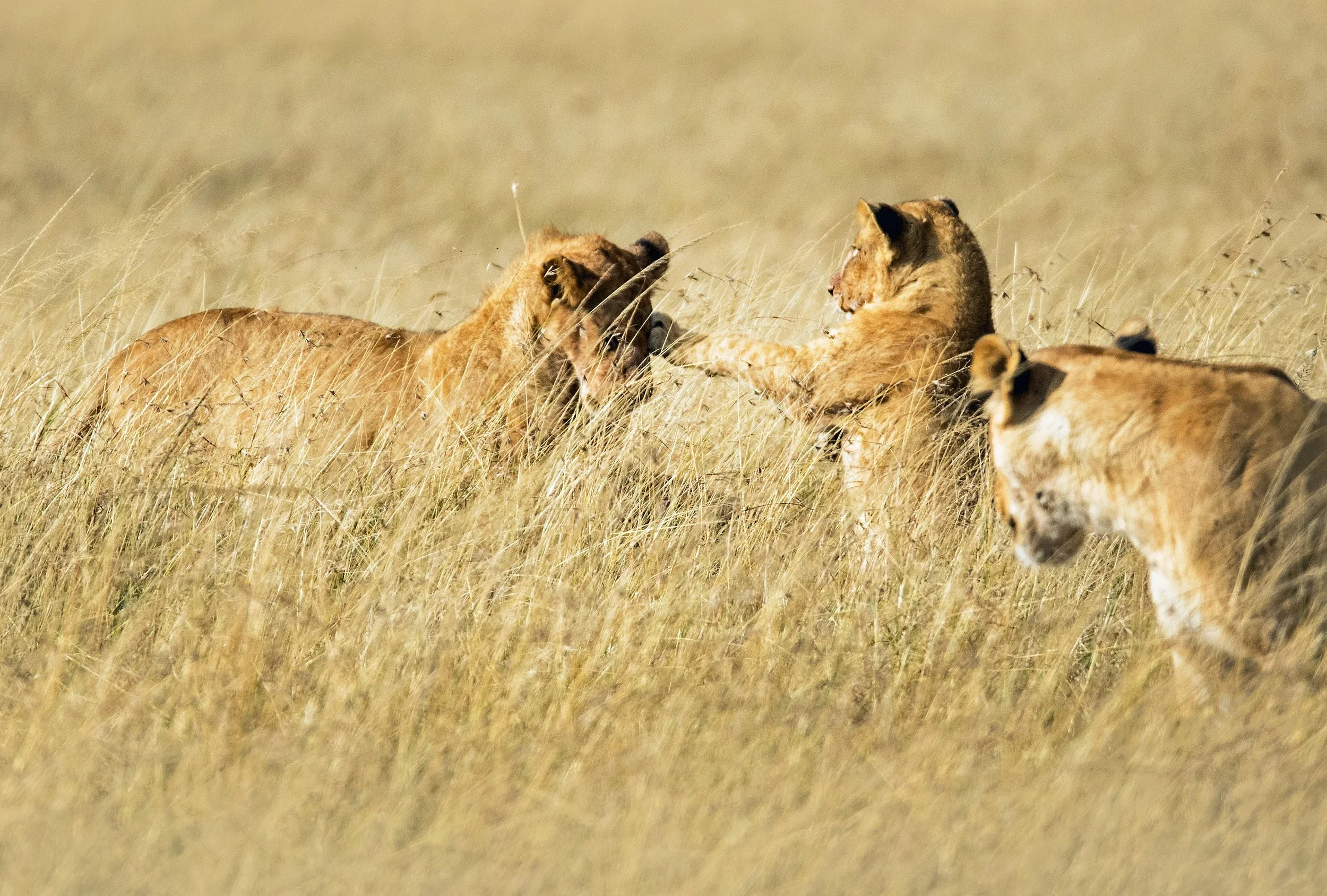
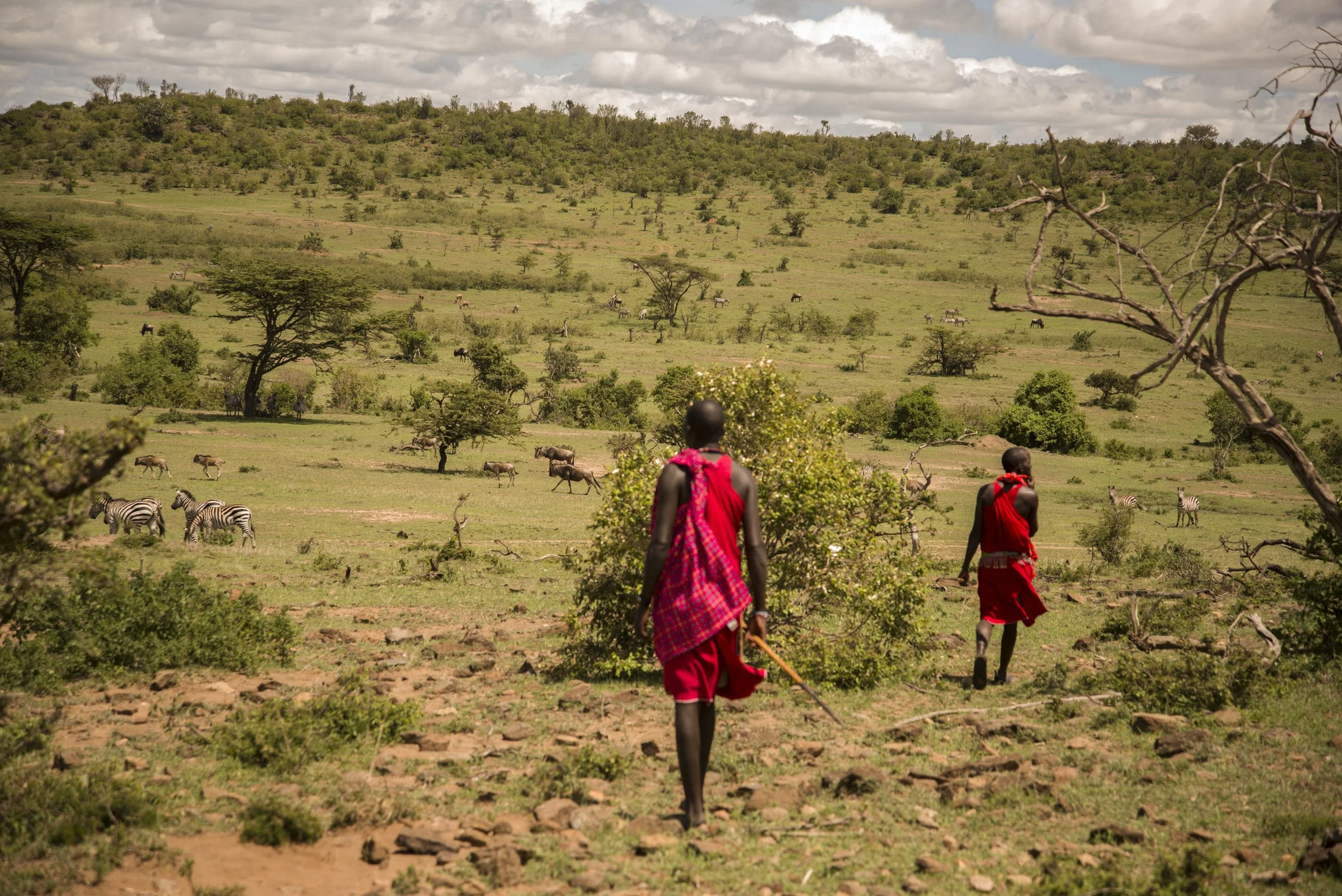
The savannahs of East Africa boast a globally important wildlife landscape filled with some of the most iconic megafauna on the planet. Savannah elephants, lions and other carnivores, wildebeest, and critically endangered black rhinos are some of the key species that live among, and sometimes in conflict with, local communities.
Fragmentation, subdivision and degradation of land, and loss of critical habitat connectivity are the biggest long-term threats to wildlife in East Africa, though populations also continue to suffer greatly from poaching and illegal wildlife trade. Additionally, both wildlife and rapidly growing human populations face mounting pressure from drought, competition for grazing land, and intensifying conflict as finite resources are stretched across ever-increasing numbers of wildlife, humans, and livestock.
The Foundation was formed during a wildlife safari to East Africa in 1987. Since then, it has invested in conservation initiatives, seeking solutions that benefit both people and nature. In partnership with a strong NGO network, local communities, and government agencies, the Foundation invests in wildlife monitoring, management planning, law enforcement, governance strengthening, and the development of livelihoods that are economically meaningful and culturally rooted — working to ensure that conservation efforts are effective, accountable, and built to last.
Central Africa
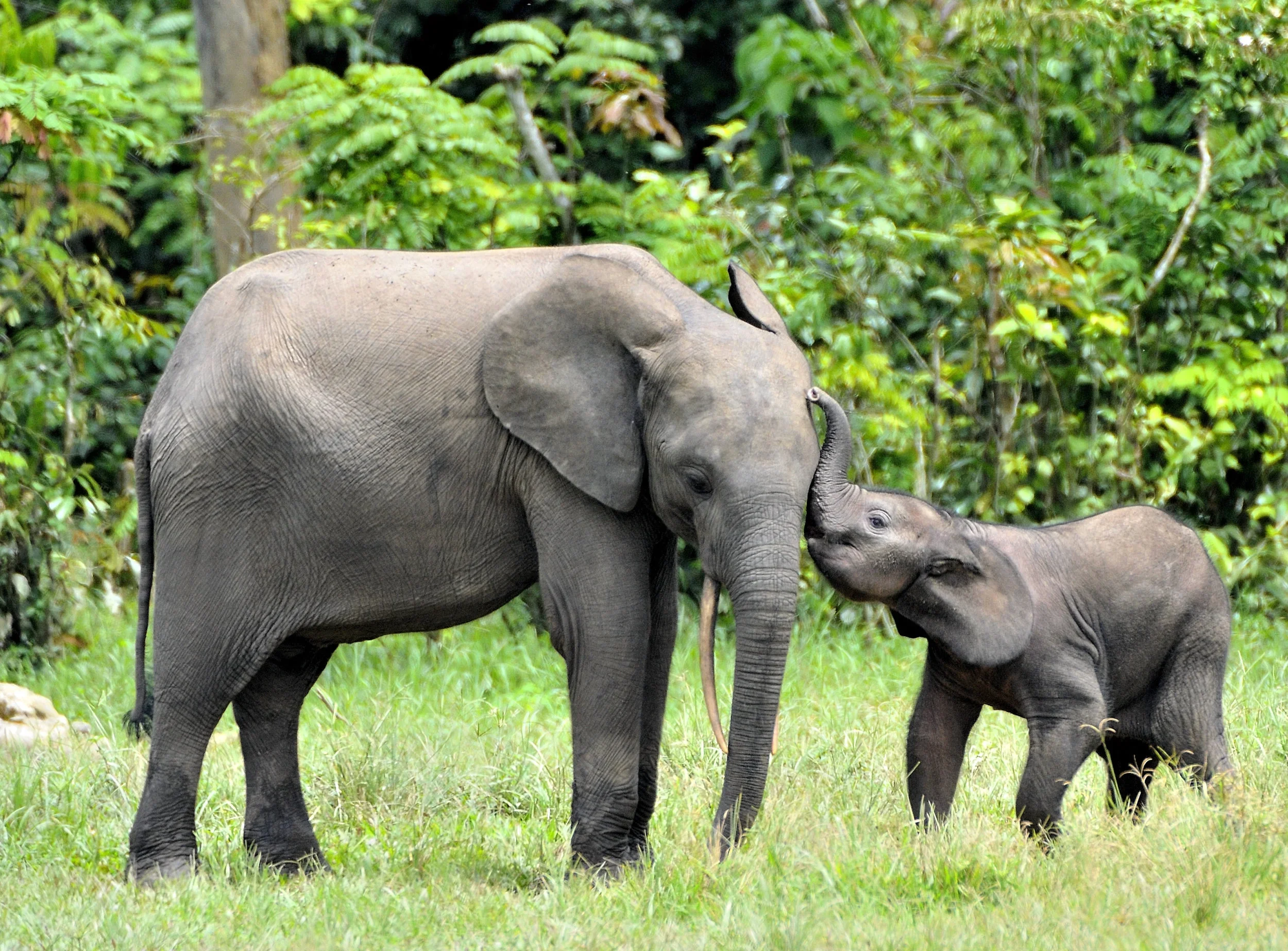
The Congo Basin of Central Africa supports some of the continent's most significant remaining populations of forest elephants, gorillas, and chimpanzees. These species range across both protected areas and the vast expanses of intact forest that define this landscape.
Yet across this landscape, poaching pressure, habitat loss, and human-wildlife conflict continue to threaten both wildlife and the rural communities that live alongside them. Our support focuses on the buffer zones and community lands that surround protected areas, where the stakes are highest: where people struggle to farm and make a living in close proximity to dangerous wildlife, and where the decisions communities make about land and resources will ultimately determine the fate of the species that share it.
The Foundation has invested in Congo Basin conservation since 1993, supporting protected area management, law enforcement, poaching prevention, and community capacity building in partnership with NGOs, governments, and local communities. In recent years, the Foundation’s focus has expanded beyond park boundaries to address human-elephant conflict and community organization in the buffer zones and rural areas.
Southern Africa
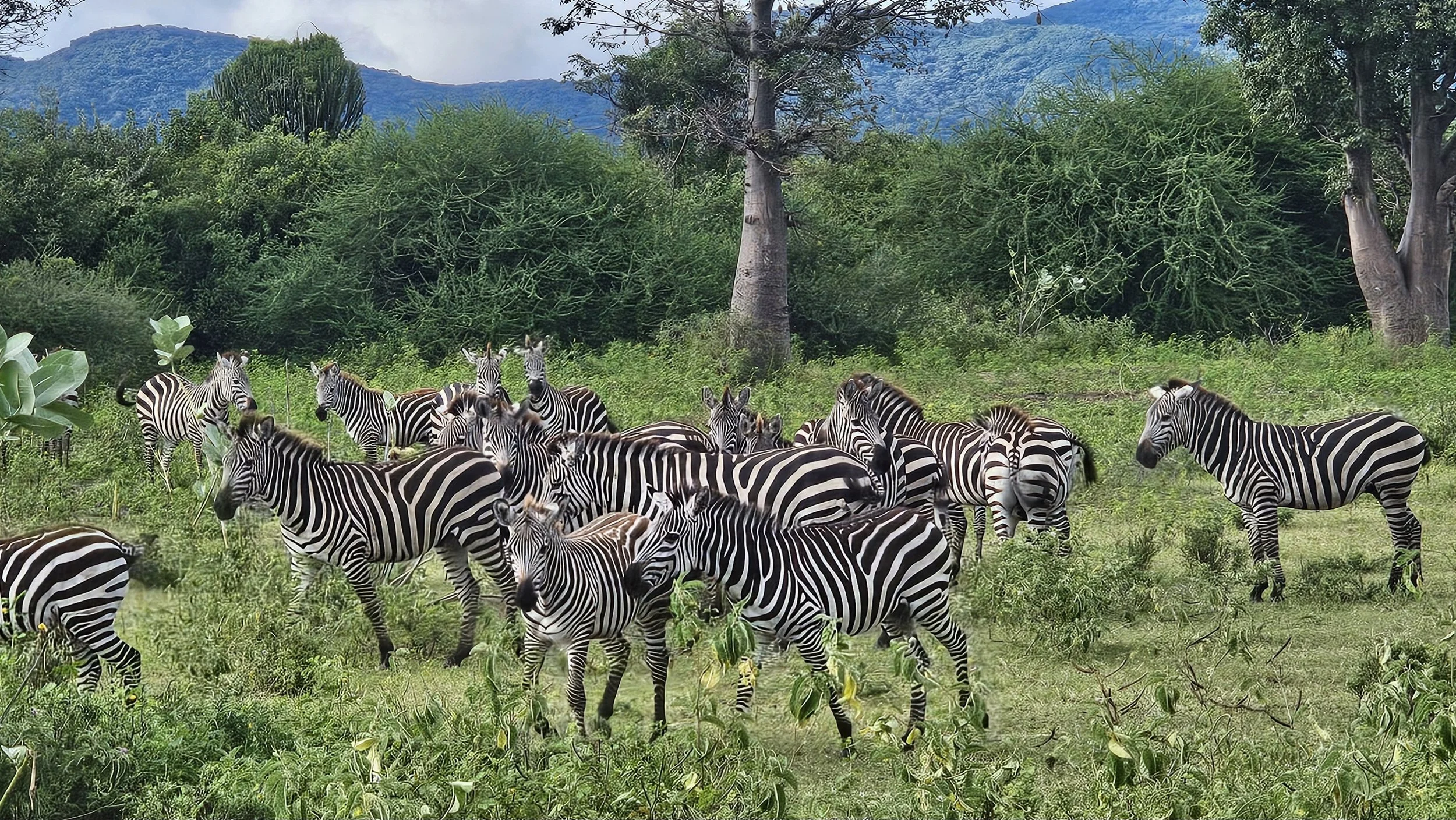
The savannahs and woodlands of Southern Africa support one of the planet’s most remarkable concentrations of wildlife. The Kavango-Zambezi Transfrontier Conservation Area (KAZA), spanning five countries, is home to the world’s largest savannah elephant population, alongside lions, African wild dogs, and a remarkable diversity of other species that move freely across national parks, game reserves, and the community lands that connect them.
It is in these community lands where the greatest conservation challenges and opportunities lie. As elephant and carnivore populations range widely across unprotected areas, conflict with rural communities is one of the defining conservation issues of the region. Crop raiding by elephants and livestock predation by lions and other carnivores place real and recurring economic hardship on farming and herding communities, eroding tolerance for wildlife and undermining the case for coexistence.
The Foundation has supported conservation in the KAZA landscape since 2020, partnering with NGOs to improve both human-elephant and human-carnivore coexistence, develop culturally rooted alternative livelihoods, and advance the applied research and evidence-based approaches needed to understand and reduce conflict at scale.
Madagascar
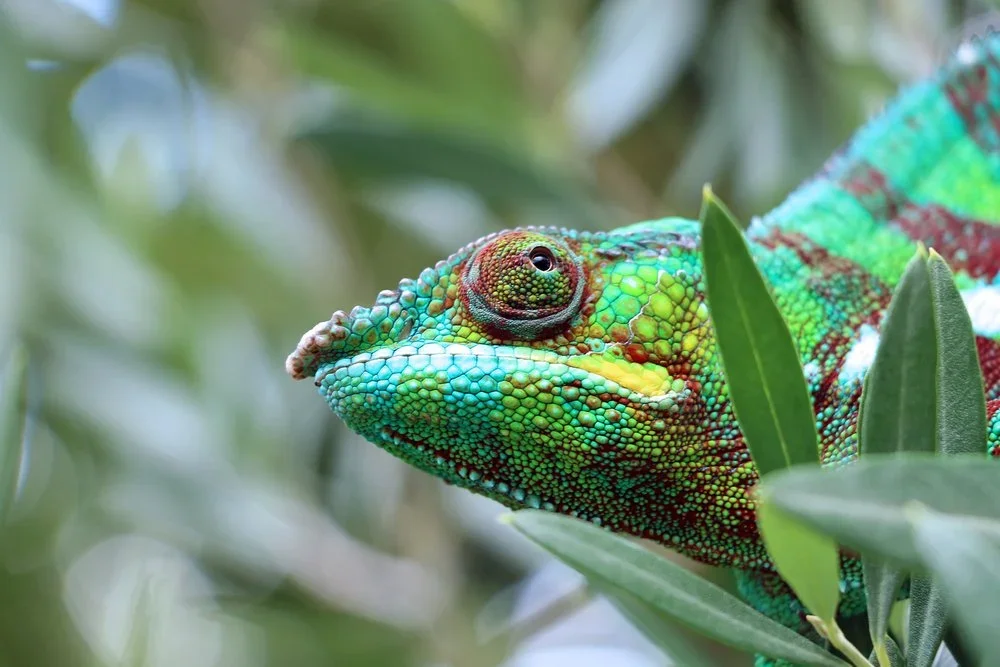
Isolated in the Indian Ocean for over 80 million years, Madagascar is one of the world’s most critical biodiversity hotspots, with some of the highest levels of species endemism on Earth. Scientists estimate that over 90% of the flora and fauna are found nowhere else, including an abundance of iconic lemur species and six of the world’s nine baobab tree species.
Madagascar is also one of the world’s poorest countries and today, this great diversity of life is threatened by systemic poverty, deforestation for subsistence agriculture and fuelwood production, political instability, rampant development pressures, and international trafficking of its natural resources.
Since 1991, the Foundation has supported a wide range of collaborations between village communities, national, and international organizations, and helped foster the spirit and practice of local community-based conservation in Madagascar. The Foundation currently focuses its efforts on terrestrial ecosystems across the country, all of which are home to significant tracts of biologically rich but threatened terrain, critically important wetland areas, and large human populations.
In each of these landscapes, major priorities for the Foundation are building strong governance and management of protected areas, livelihood development, youth education, effective environmental law enforcement, and climate resiliency. The Foundation also supports organizational strengthening and collaboration among the Malagasy conservation NGO sector.