
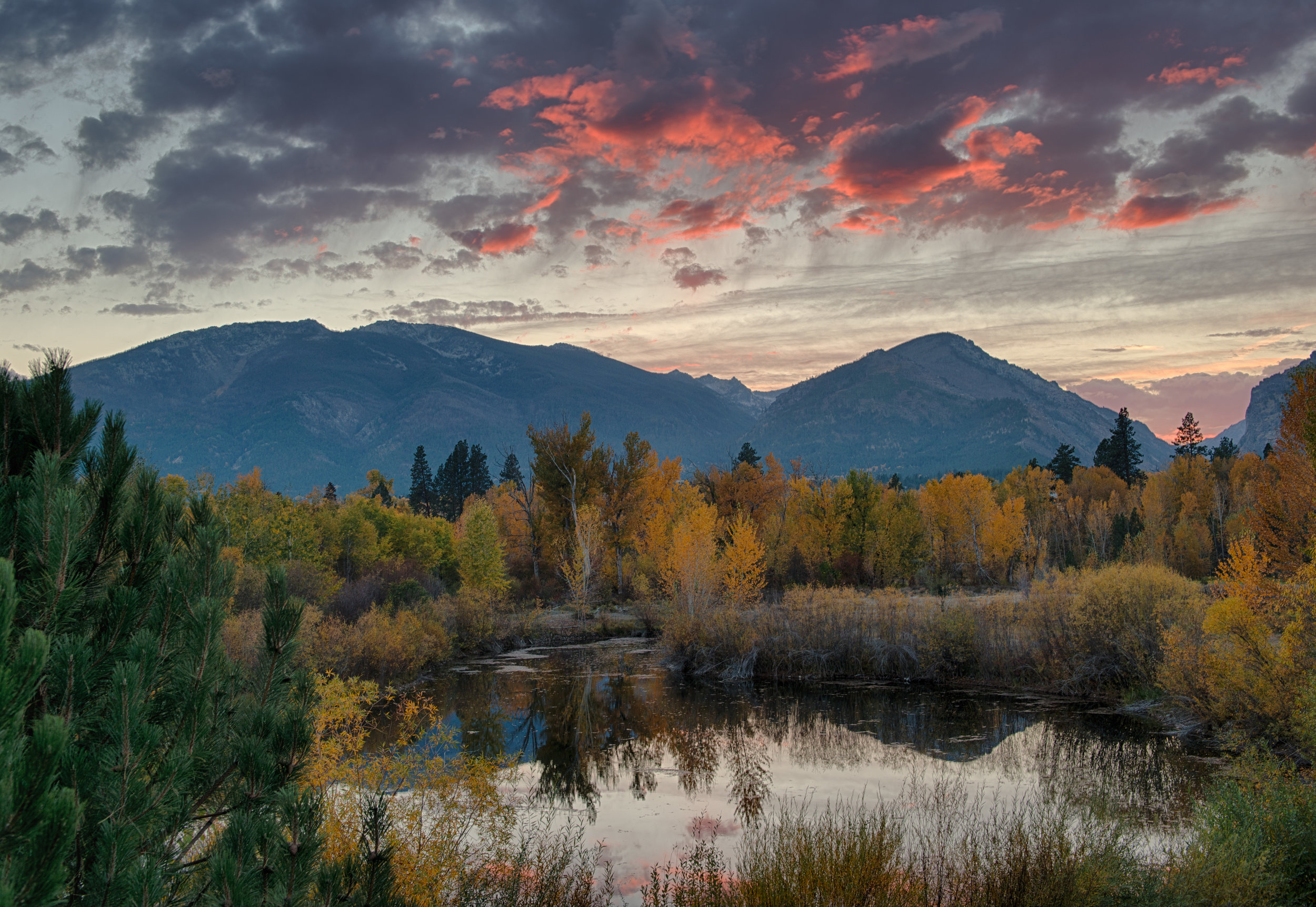
Transboundary Rockies


The Transboundary Rocky Mountains of the US and Canada offer an abundance of spectacular scenery and dramatic wilderness. The high altitudes, rugged terrain, sharp seasonal variations in climate, bitter winters, snowslides, tumbling meltwater, other potent forces of erosion, and frequent wildfires have largely defended it against widespread modification by humans. As a result, the Rockies today retain the largest proportion of undeveloped landscapes and intact native plant and animal communities on the North American continent south of the subarctic zone. They also host North America’s greatest diversity of mid-size and large mammals, including the iconic and endangered grizzly bear and American bison.
Not even the Rockies, however, are immune to the pressures of a growing population and demand for resource development. As the landscape becomes increasingly fragmented, the loss of habitat and connectivity puts wildlife at risk and increases the potential for human-wildlife conflict.
To ensure continued protection of this important region, the Foundation has supported conservation efforts since 1990 across a range of strategies including land protection, advocacy and civic engagement, environmental education, conservation science, and Indigenous-led conservation. Partners range from large national institutions to small grassroots organizations, working with local, national, and Tribal governments and communities to ensure that this special place and its wildlife and people persist and thrive.